
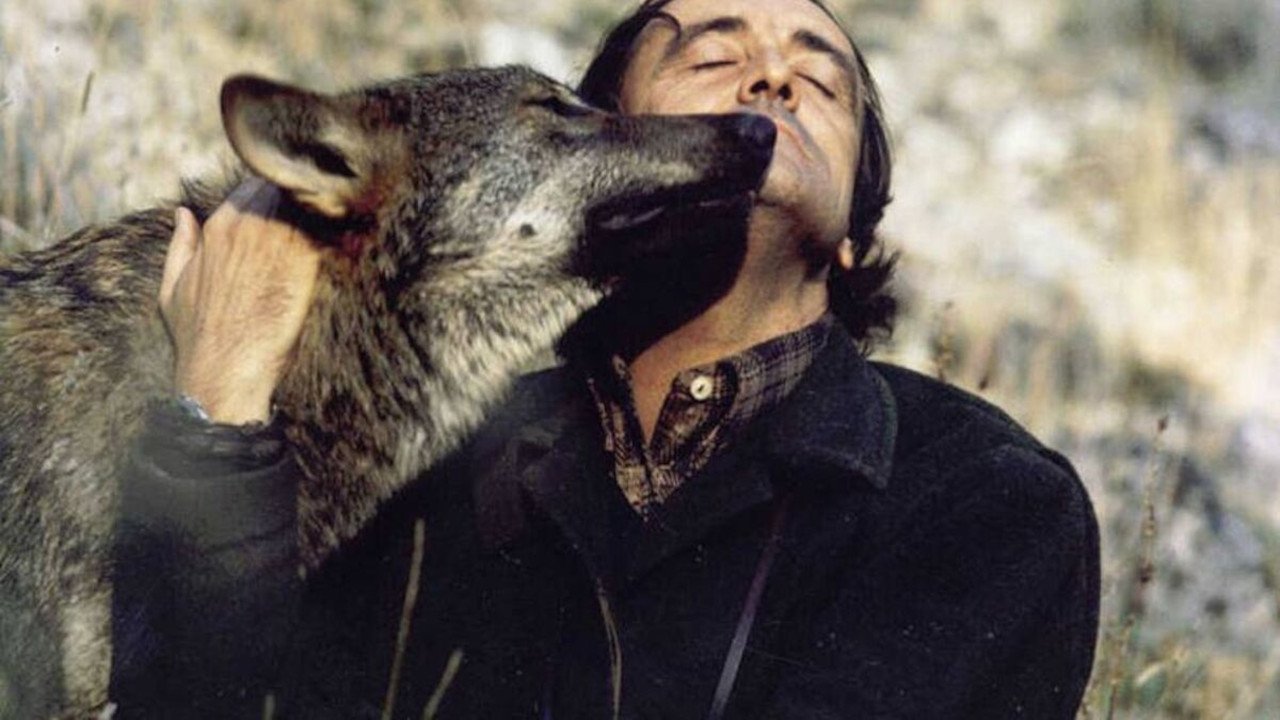
 Lead story · Nature and travelMan and the EarthEl hombre y la Tierra is a 1974 television series produced by Radio Televisión Española.…
Area Documental
Lead story · Nature and travelMan and the EarthEl hombre y la Tierra is a 1974 television series produced by Radio Televisión Española.…Nature and travel
Nature and travel · 36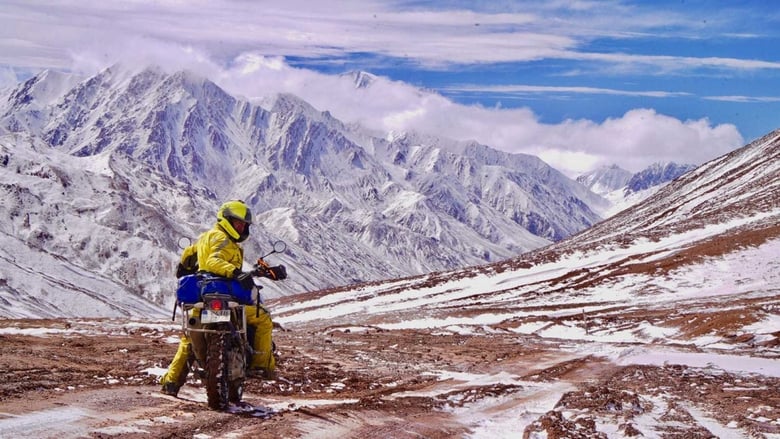 Nature and travelDiario de un Nómada2015 · 247 episodes
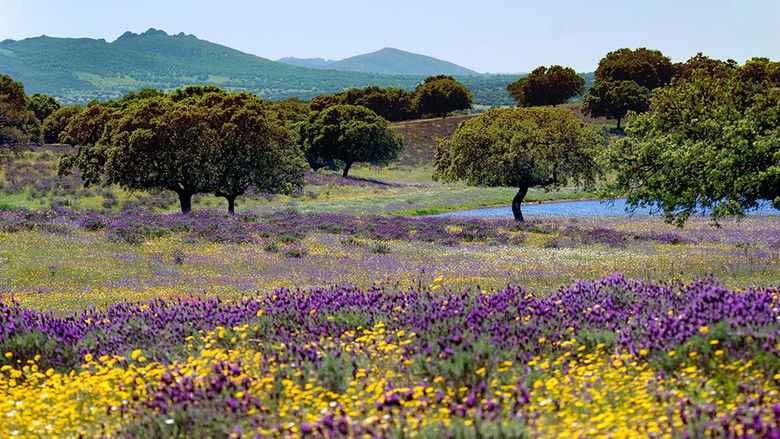 Nature and travelWild Iberia2018 · 4 episodes
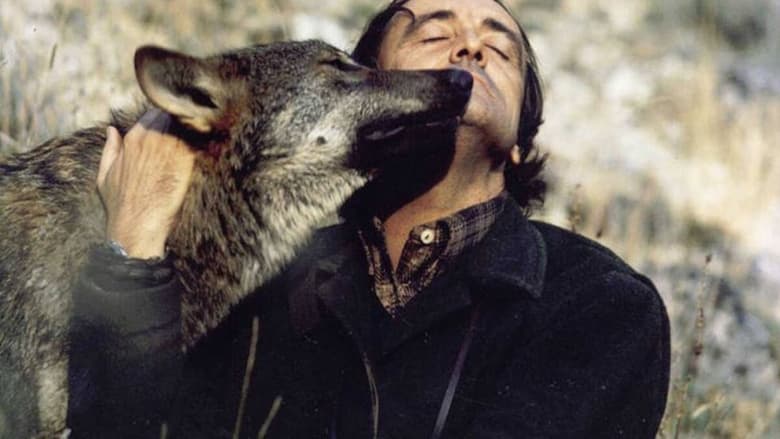 Nature and travelMan and the Earth1974 · 124 episodes
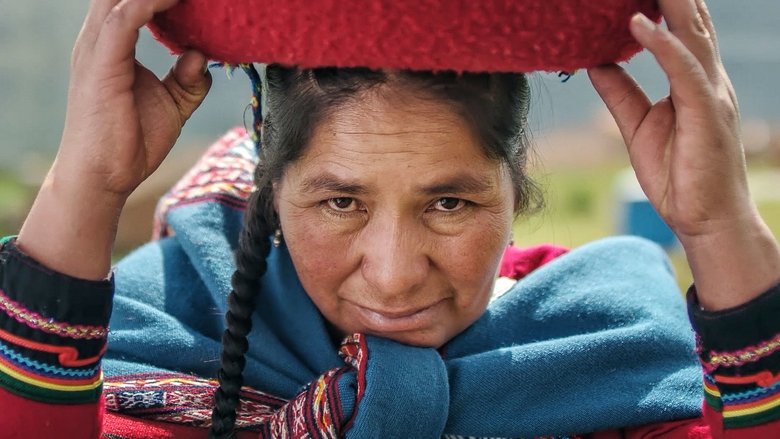 Nature and travelMagical Andes2019 · 10 episodes
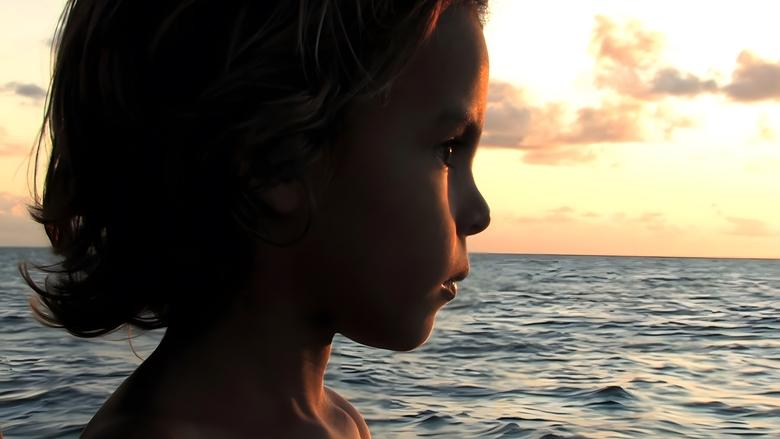 Music and danceTo the Sea2010 · 73 min
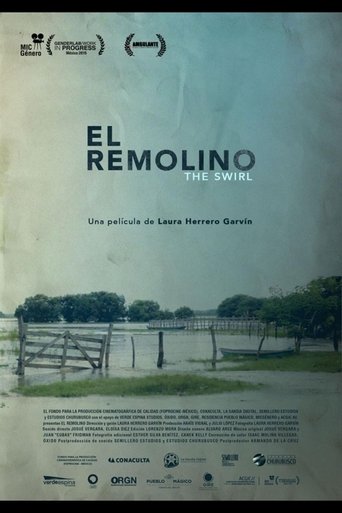 Nature and travelThe Swirl2016 · 75 min
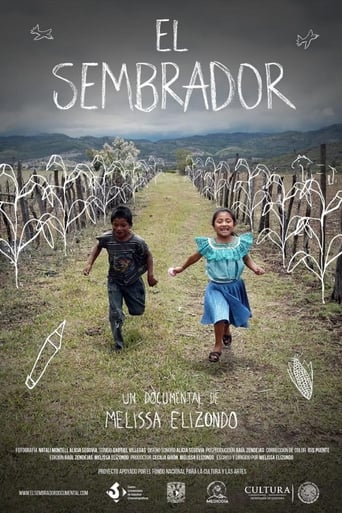 Nature and travelThe Sower2018 · 85 min
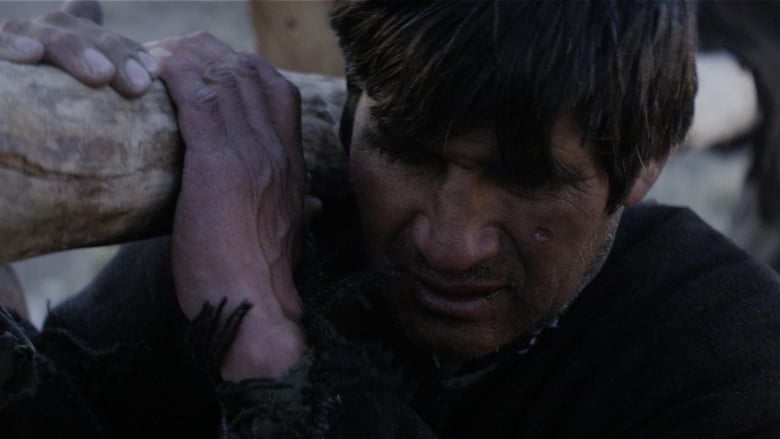 Music and danceLonely Rock2020 · 82 min
Football and sport
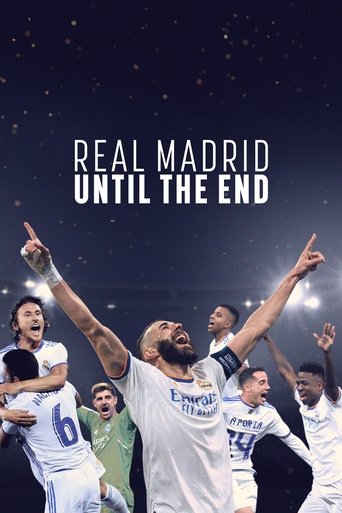
Football and sport · 62 Football and sportReal Madrid: Until the End2023 · 3 episodes
 Football and sportMatchday: Inside FC Barcelona2019 · 8 episodes
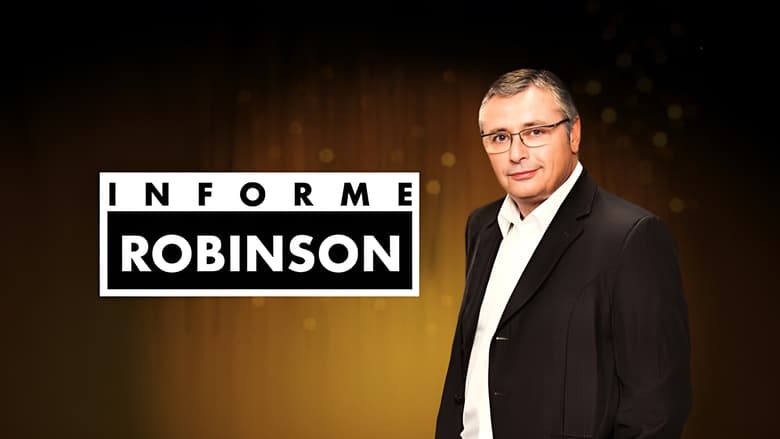 Football and sportRobinson Report2007 · 129 episodes
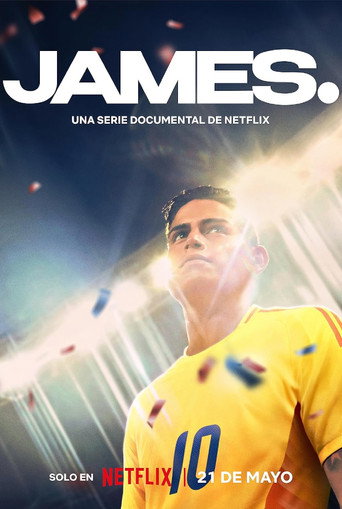
 Football and sportJames.2026 · 3 episodes
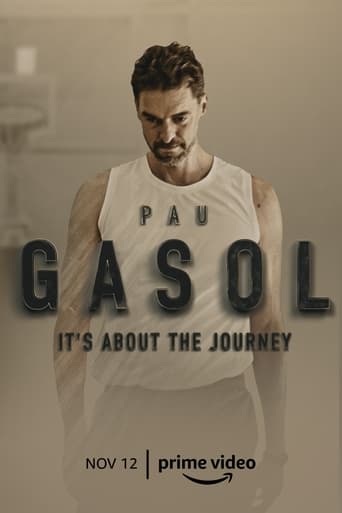
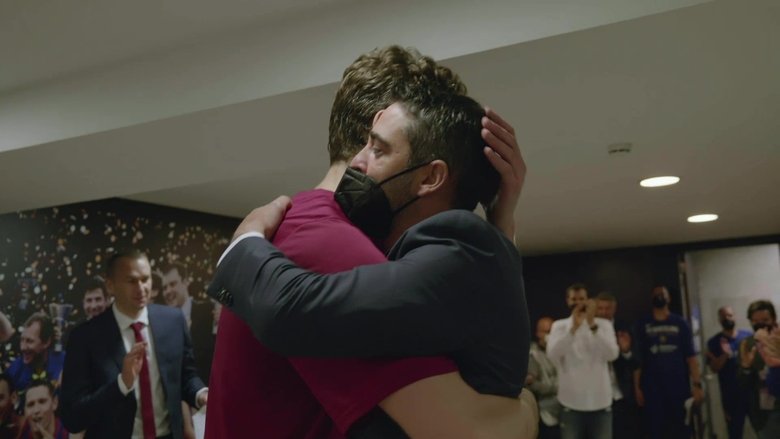 Football and sportPau Gasol: It’s About the Journey2021 · 4 episodes
 Football and sportUniverso Valdano2016 · 72 episodes
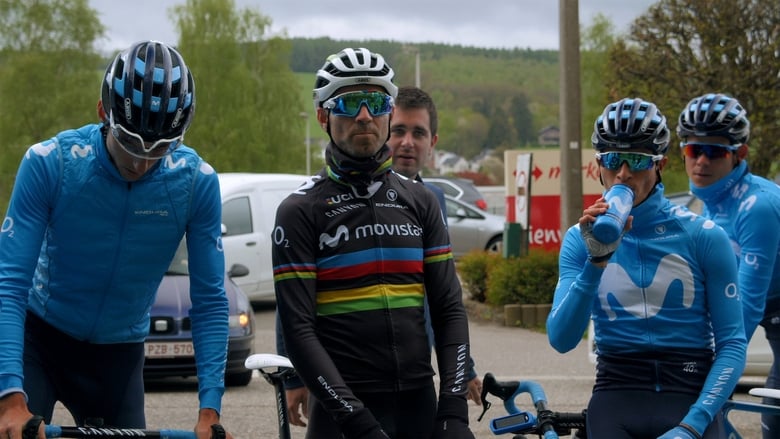 Football and sportThe Least Expected Day: Inside the Movistar Team 20192020 · 23 episodes
 Football and sportSimeone. Living Match by Match2022 · 6 episodes
Music and dance
Music and dance · 60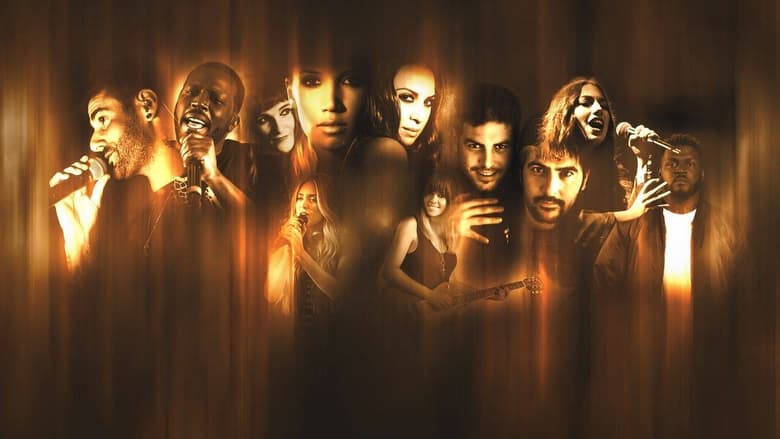 Music and danceAcoustic Home2021 · 40 episodes
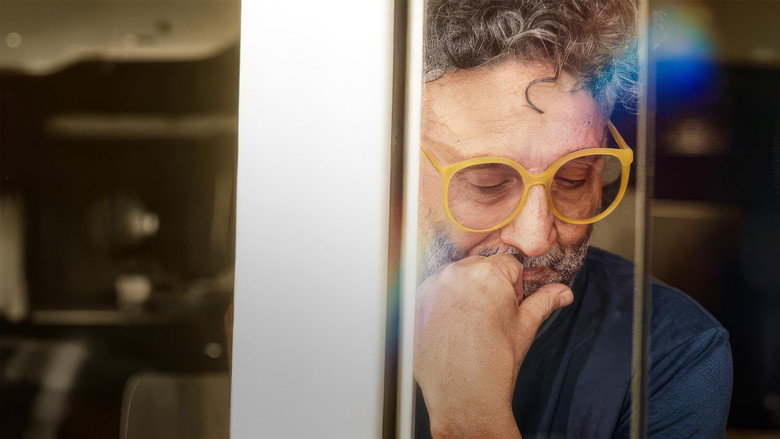 Music and danceFito Páez: The World Within a Song2026 · 112 min
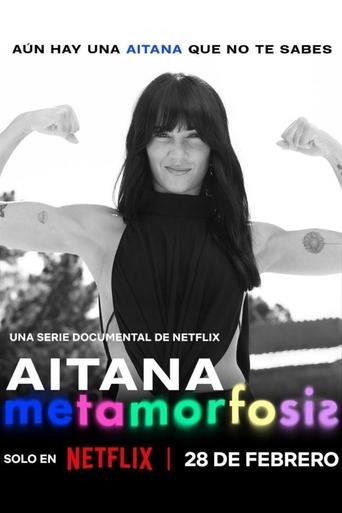
 Music and danceAitana: Metamorphosis2025 · 6 episodes
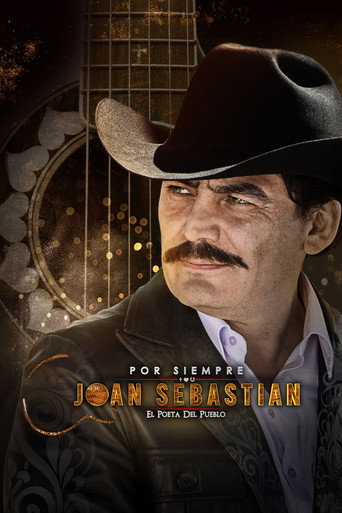
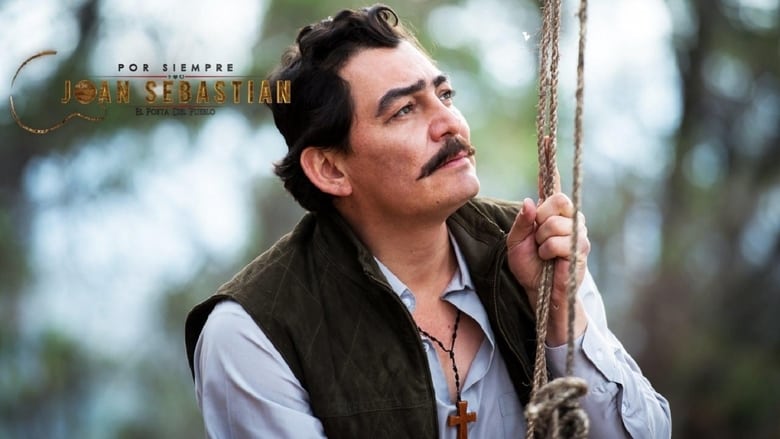 Music and dancePor siempre Joan Sebastián2016 · 19 episodes
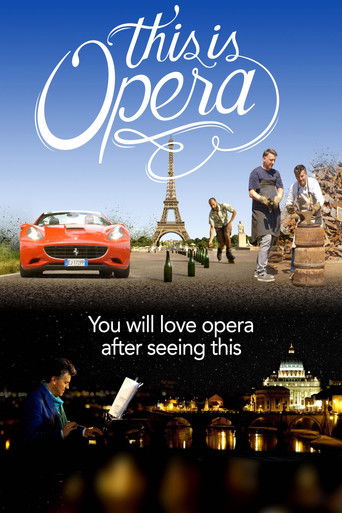 Music and danceThis is Opera2015 · 30 episodesMusic and danceTo the Sea2010 · 73 min
 Music and danceVioletta: Live in Concert2014 · 81 min
 Music and danceBios2018 · 6 episodes
Documentary series
Series · 57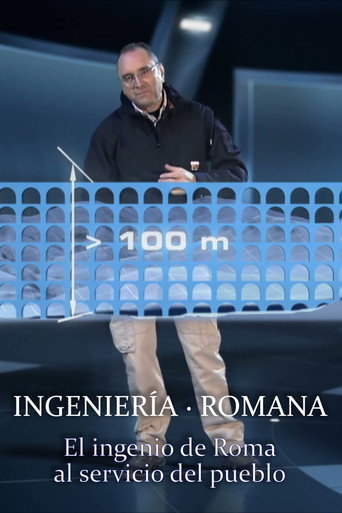




New documentaries
2020 onward · 91Football and sportJames.2026 · 3 episodesMusic and danceFito Páez: The World Within a Song2026 · 112 min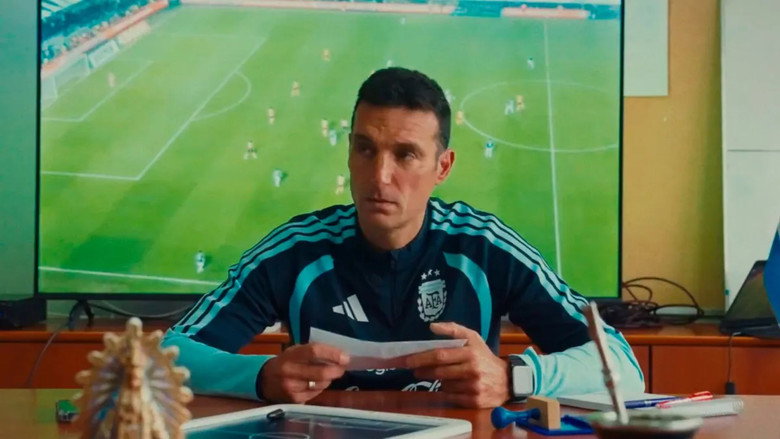 Football and sportThe Scaloni Method2026 · 3 episodesMusic and danceAitana: Metamorphosis2025 · 6 episodes
 Football and sportCopa América 2024: El legado2025 · 6 episodes
 FilmMillionaire2025 · 96 min
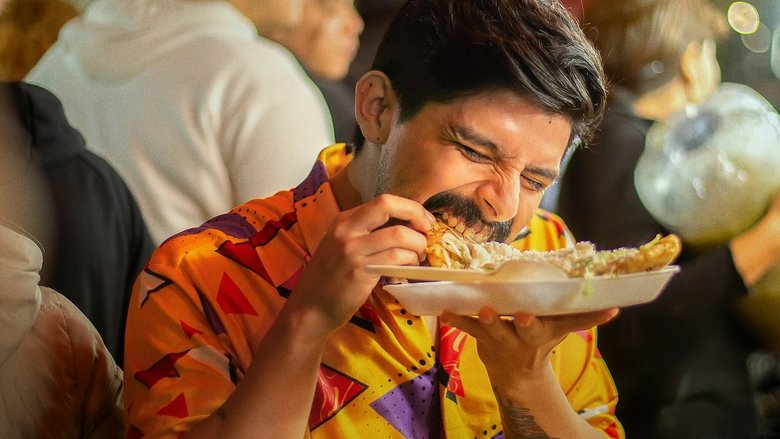 Food and traditionsGarnachas: Glorious Street Food!2025 · 3 episodes
 Cinema and storytellersQuinografía2025 · 75 min
Help pages
- Series 57
- Documentary films 182
- Football and sport 62
- Music and dance 60
- Cinema and storytellers 61
- Nature and travel 36
- Food and traditions 23
- Art and architecture 44
- People and places 32
- Before 2000 16
- The 2000s 26
- The 2010s 106
- 2020 onward 91
- Top rated 54
- How to watch with Area Documental
- Nature and travel
- Félix Rodríguez de la Fuente
- Football and sport
- Argentina, world champions
- Music and dance
- Carlos Saura's music films
- Cinema and storytellers
- Food and traditions
- Art and architecture
- Documentary series
- People and places
- Learning Spanish with documentaries
- Finding a title
- My List
Documentaries from Spain and Latin America: the Area Documental guide
Area Documental: Spanish-language documentaries in English, from Man and the Earth, Messi and Flamenco Flamenco to Dream of Light, The Mole Agent and Magical Andes
The Spanish-speaking world tells some of the finest true stories on screen. From the wolves and eagles that Félix Rodríguez de la Fuente filmed for Spanish television in the seventies to the football series that now follow the great clubs of Madrid, Barcelona and Buenos Aires through a whole season, documentaries in Spanish cover an extraordinary range of subjects: wild mountains and oceans, flamenco and tango, the making of famous films, the kitchens of great chefs, painters at work and quiet portraits of ordinary people with remarkable stories. Area Documental gathers 239 of these documentaries from Spain and Latin America, made between 1963 and 2026, 182 films and 57 series, each with its own page, its story in English, its year, running time or episode list, and a Watch now button that leads to the official services carrying it in your country.
The catalogue has been chosen by hand. It brings together nature and travel, football and sport, music and dance, cinema and storytellers, food and traditions, art and architecture, and a section of people and places, and it leaves the heavier subjects of politics and crime to other guides, so that every title here is a pleasure to watch with friends and family. The sections on the home page are arranged like the pages of a magazine, so that a football fan, a music lover and a nature enthusiast can each find a new favourite in a few seconds.
This guide is the long version of the home page. It walks through the sections, the great directors and presenters, the series worth watching one episode at a time and the simple steps from a title page to the official service. If you are in a hurry, the short help pages are linked from every section, and the How to watch page explains everything in four short steps.
How Area Documental looks
Area Documental is designed like a documentary magazine. A deep teal masthead runs across the top of every page, with a serif wordmark, a small play-frame symbol in warm terracotta and a terracotta rule along its lower edge. The links to the main sections, a search field and a My List button sit in the masthead, and on a phone they fold into a menu behind a three-line button.
The home page opens with a lead story: a wide still from a featured documentary, a small terracotta kicker, a large serif headline and the opening lines of the story. Beside it, a column lists every section with its number of titles, followed by three more featured documentaries. Below, each section has its own row of wide cards, each with a coloured kicker naming its section, a serif title and a line with the year and the running time or the number of episodes. The series appear as a row of posters, and the help pages close the page together with this guide.
The archived pages of the original areadocumental.com are only placeholder pages, so the look of Area Documental is an original design: a warm paper background, teal and terracotta, the Fraunces serif for headlines and the Inter type for reading.
Using the site
There are three easy ways into the catalogue. The first is the search field in the masthead: type a few letters of an English title, such as Andes or Tango, or of the original Spanish title, such as El hombre y la Tierra or El agente topo, and matching documentaries appear as you type. The second is the sections: Nature and travel, Football and sport, Music and dance, Cinema and storytellers, Food and traditions, Art and architecture and People and places, together with the Series section, four decade shelves and a Top rated shelf. The third is the A to Z list, which holds every title in alphabetical order. The Finding a title page collects some handy search tips.
Every title page gives the story in English, the year, the running time or the number of episodes, the director, the people on screen, the studio and the original title. Below the story there is a country menu and a Watch now button. Choose your country, press the button, and JustWatch opens with the subscription, rental, purchase and free services that carry the documentary where you live. Many of these documentaries are available with English subtitles, and the newest sports and food series are on international streaming services in many countries.
The My List button keeps a personal list of documentaries in your browser. The My List page explains how to export the list to a small file and take it to another device.
Félix Rodríguez de la Fuente and Man and the Earth
Every guide to Spanish documentaries should begin here. Man and the Earth, first broadcast by Spanish television in 1974, is the most famous nature series in the Spanish language, and the Félix Rodríguez de la Fuente help page tells its story. Its creator and presenter, the naturalist Félix Rodríguez de la Fuente, had a warm, unmistakable voice and a deep love of wild animals, and his films of Iberian wolves, golden eagles, lynxes, vultures and wild boar brought the hidden life of the Spanish countryside into millions of homes.
The series was filmed in three great parts: a series in Venezuela, among the rivers, plains and rainforests of South America; the long Iberian series, which remains the heart of the work; and a series in Canada, among the bears, beavers and caribou of the north. The filming was patient and inventive, often with animals that the team had raised and studied for years, and the result is a series of rare beauty that is still shown and loved today. Generations of Spanish biologists, rangers and wildlife filmmakers say that it was Man and the Earth that first opened their eyes to nature.
His legacy lives on in modern films. Wild Iberia follows the wildlife of the Iberian Peninsula through spring, summer, autumn and winter, and Cantábrico, from 2017, explores the Cantabrian Mountains of northern Spain, a natural wall four hundred kilometres long that is home to brown bears, wolves, capercaillie and chamois. Watching them after an episode of Man and the Earth is a lovely way to see how the same wild places look half a century later.
Nature and travel
The Nature and travel section gathers 36 documentaries about mountains, oceans, rivers, wildlife and long journeys, and the Nature and travel help page picks the best places to begin.
The Andes run through many of these films. Magical Andes, a series from 2019, travels from Argentina to Colombia and follows five people who share a deep connection with South America's great mountains: herders, climbers, scientists and dreamers whose lives are shaped by the peaks. The Cordillera of Dreams, by the great Chilean director Patricio Guzmán, is a poetic meditation on the mountains that rise behind every Chilean city. Cholitas follows five Bolivian indigenous women who set out in their traditional skirts to climb Aconcagua, the highest mountain in the Americas, and Lonely Rock visits a tiny hamlet in the high grasslands of northern Argentina, four thousand metres above the sea.
The oceans have their own films. To the Sea, from 2010, is a gentle and beautiful film in which a father takes his five-year-old son on a journey to the Chinchorro reef off the coast of Mexico before the boy leaves for Rome with his mother; they fish, swim and live with an old fisherman in a house on stilts above the water. Pacificum: Return to the Ocean explores the history, wildlife and plants of the Peruvian coast, and Peru: Hidden Treasure travels from the coast to the Andes and the Amazon to show the natural riches and old traditions of the country.
Mountains of a different kind appear in Summits of My Life - A Fine Line, which joins a group of mountain athletes on the snowy peaks of the Alps. For travel lovers, Diario de un Nómada is a long series in which the adventurer Miquel Silvestre crosses continents on his motorcycle, following the routes of historical explorers, and Chaparreando follows the Mexican comedian Omar Chaparro and his son on a motorcycle trip through Chihuahua.
Football and sport
Football is a passion that unites Spain and Latin America, and the Football and sport section, with 62 titles, is one of the largest on Area Documental. The Football and sport help page picks the highlights.
Messi, from 2014, directed by Álex de la Iglesia, is a playful portrait of the great Argentine footballer. His teachers, coaches, childhood friends and Barcelona teammates gather around a restaurant table to talk about him, while actors recreate scenes from his childhood in Rosario and his first years in Barcelona. Andrés Iniesta: The Unexpected Hero tells the story of the quiet midfielder from a small village in La Mancha who scored the goal that won Spain the World Cup in 2010. Informe Robinson: Cuando fuimos campeones brings the Spanish champions of that World Cup together to remember the summer of their lives.
The great clubs open their doors in long series. Matchday: Inside FC Barcelona follows the club through the 2018–2019 season, Real Madrid: Until the End follows the extraordinary season of 2021–2022, Another Way of Living: Atlético de Madrid spends a year with Atlético and Simeone. Living Match by Match explores the ideas of its famous coach. In Latin America, Boca Juniors Confidential goes behind the scenes at Argentina's most famous club, CHIVAS: El Rebaño Sagrado follows a season with the beloved Guadalajara club and Maradona in Mexico follows Diego Maradona as he coaches a small Mexican team towards promotion.
Sport is more than football. A Life of Speed: The Juan Manuel Fangio Story tells the story of the Argentine driver who won five Formula One world championships in the fifties, and Fernando and Marc Márquez: All In follow two great Spanish champions of motor sport. Pau Gasol: It’s About the Journey follows the basketball star through the last chapter of his career, Lorena: Light-Footed Woman follows a young Rarámuri woman who wins ultramarathons running in sandals, and Barefoot Giants follows a team of indigenous children from Oaxaca who win basketball tournaments around the world.
Argentina, world champions
Few sporting stories have been told as often or as lovingly as Argentina's road to the World Cup of 2022, and the Argentina, world champions help page gathers the whole story. Be Eternal: Champions of America follows Lionel Messi and his teammates as they end a long wait for a title at the Copa América of 2021. Argentine National Team, Road to Qatar goes behind the scenes of the qualifiers and the preparations, and I Choose to Believe tells the story of the final in Qatar from inside the dressing room, in the words of the players themselves.
Muchachos is the most joyful of them all: built from home videos sent by fans around the world and from drone footage of the victory parade in Buenos Aires, it is a film about what football means to a whole country. The Scaloni Method explores how the young coach Lionel Scaloni built the team, and Ángel Di María: Breaking Down the Wall follows the winger who scored in the final, from his humble beginnings in Rosario to the top of the world.
Music and dance
The Music and dance section holds 60 documentaries about flamenco, tango, salsa, rock, pop and the great concerts of the Spanish-speaking world, and the Music and dance help page picks the best of them.
Flamenco and tango come first. Flamenco Flamenco, from 2010, is a glowing celebration of flamenco music and dance, filmed in a single great space filled with light and painted backdrops, with performances by some of the finest singers, guitarists and dancers of Spain. Alalá follows a children's arts centre in Seville where flamenco opens doors for young people from many backgrounds. Our Last Tango tells the story of María Nieves and Juan Carlos Copes, who met as teenagers in Buenos Aires and danced together for nearly fifty years, becoming the most famous tango couple in the world. Pichuco is a musical tour through the work of Aníbal Troilo, the great bandoneón player and composer, and Piazzolla: The Years of the Shark opens the archives of Astor Piazzolla, the composer who changed tango forever, with his son Daniel as guide.
The great voices of Latin music have their portraits. Celia Cruz: ¡Azúcar! is an all-star tribute to the Queen of Salsa, hosted by Gloria Estefan and Marc Anthony. Lola is a series about Lola Flores, the irresistible star of Spanish song and dance, told by her daughters, her sister and her friends. El Buki follows Marco Antonio Solís from a village in Michoacán to a long career as one of the most loved singers in Mexico, and Fito Páez: The World Within a Song, from 2026, is an intimate film about the great Argentine songwriter.
Rock and pop fill the rest of the section. Soda Stereo: The Last Concert records the farewell concert of the legendary Argentine band at River Plate stadium in 1997. Made in Mexico weaves a tapestry of Mexican songs with Chavela Vargas, Carla Morrison and many others. A Film About Kids and Music. Sant Andreu Jazz Band follows a big band of children from six to eighteen in Barcelona who play classic jazz with astonishing joy. Acoustic Home gathers ten musicians for intimate acoustic concerts, and Aitana: Metamorphosis follows a young Spanish singer on her journey to international pop stardom.
Carlos Saura's music films
The Spanish director Carlos Saura made some of the most beautiful music and dance films ever, and three of them are on Area Documental. The Carlos Saura help page introduces them.
Saura's method was simple and dazzling. He gathered great performers in a single studio, filled it with light, mirrors and painted screens, and let the camera move among them as they sang and danced. Flamenco Flamenco is the finest example, a feast of colour and rhythm. Argentina, from 2015, brings the same approach to the folk music and dances of Argentina, from the chacarera and the zamba to the music of the Andes. Marathon, from 1993, is something quite different: the official film of the men's marathon at the Barcelona Olympics of 1992, edited like a piece of music, with the runners moving through a city of Gaudí buildings to the rhythm of their own breathing.
Cinema and storytellers
Spanish and Latin American cinema has a rich history, and many documentaries celebrate the people who made it. The Cinema and storytellers section holds 61 of them, and the Cinema and storytellers help page picks the best.
Sad Hill Unearthed, from 2018, is one of the most charming films in the catalogue. In the hills of Burgos, in northern Spain, a group of fans set out to dig up and restore the circular cemetery where the final duel of The Good, the Bad and the Ugly was filmed in 1966, half buried under fifty years of earth and grass. Their work, and the stories of the local people who built the set as young soldiers and extras, make a wonderful film about the love of cinema. Spanish Western celebrates the technicians and artists who made the spaghetti westerns possible in the deserts of Almería, and Sergio Leone: cinema, cinema is a rich portrait of the great director himself.
Stories of Our Cinema tells the history of Spanish cinema through anecdotes, beginning with the first moving images shown in Spain at the Price circus in Madrid in May 1896. Cinematógrafo 1900 is a tribute to Segundo de Chomón, the Spanish pioneer of trick photography in the early days of film. Buñuel: A Surrealist Filmmaker explores the career of Luis Buñuel, and México de mis amores is an affectionate anthology of the golden age of Mexican cinema, with its stars remembering their films.
The storytellers of literature and comedy are here too. Chespirito: El Niño Que Somos tells the story of Roberto Gómez Bolaños, the creator of El Chavo del Ocho, one of the most loved television comedies in the Spanish-speaking world. Ni Muy, Muy... ni Tan, Tan... simplemente Tin Tan celebrates the great Mexican comedian Tin Tan. Quinografía, from 2025, explores the life of Quino, the Argentine humorist who created Mafalda, and The Books and the Night is a dreamlike portrait of Jorge Luis Borges.
Art and architecture
The Art and architecture section holds 44 documentaries about painters, sculptors, architects, engineers and museums, and the Art and architecture help page introduces the best of them.
Dream of Light, from 1992, directed by Víctor Erice, is one of the great films about art. Through a whole autumn, the painter Antonio López works in the garden of his house in Madrid on a painting of a quince tree, measuring every leaf and every fruit with string and plumb lines as the light changes and the quinces ripen. Friends visit, workmen repair the house, the radio murmurs, and the film becomes a quiet meditation on time, light and the impossible wish to hold a moment still. It won prizes at Cannes and is still one of the most admired Spanish films of its decade.
Barcelona's architecture appears in several films. Jujol - Gaudí: Two Geniuses of Architecture tells the story of Josep Maria Jujol, the architect who worked beside Antoni Gaudí and created many of the details that visitors admire today, from the mosaic benches of Park Güell to the balconies of Casa Milà. Work in Progress, from 2001, follows the building of a new apartment block in an old neighbourhood of Barcelona over a year and a half, watching the workers, the neighbours and the street change together.
Roman Engineering is a series in eight parts in which the engineer Isaac Moreno Gallo explains how the Romans built their roads, bridges, aqueducts and mines, with many examples from Hispania. Miro Forja is a short portrait of Joan Miró at work on a great exhibition, Leonora Carrington or The Ironic Spell is a dialogue between cinema and the paintings of Leonora Carrington, and Pedro is a funny and touching portrait of the Mexican artist Pedro Friedeberg, famous for his hand-shaped chairs. The Dream follows more than forty international artists who created a single spectacular evening of art and food in Barcelona.
Food and traditions
Food is a language of its own in Spain and Latin America, and the Food and traditions section gathers 23 documentaries about great cooks, street food, farming and the old traditions of towns and villages. The Food and traditions help page lists the best.
Taco Chronicles is a delicious series in which each episode tells the story of one kind of taco, from the al pastor of Mexico City to the carnitas of Michoacán and the cochinita pibil of Yucatán, with the voices of the tacos themselves as narrators. Heavenly Bites: Mexico and Garnachas: Glorious Street Food! continue the feast with Mexican street food, and Agua Santa travels through the flavours and regional cultures of Mexico. All About Asado, from 2016, by the Argentine director Gastón Duprat, takes you into the heart of the Argentine barbecue, a meal that is also a ritual and a way of life.
The great chefs of Spain have their own stories. El Bull - The History of a Dream tells how Ferran Adrià, a young man with modest beginnings, became one of the most influential chefs in the world at the restaurant El Bulli on the Costa Brava. UniverXO Dabiz follows the Madrid chef Dabiz Muñoz as he faces a big decision about his famous restaurant.
The traditions of the countryside are just as rich. Gaucho Gaucho, from 2024, is a beautiful black-and-white portrait of the gauchos of northern Argentina, the cowboys and cowgirls who live with their horses in the mountains. A Piece of Cheese follows a Basque town famous for its cheese, Sunú listens to the farmers who grow maize across Mexico, and Rehje follows a woman who returns to her Mazahua village after forty years in Mexico City.
Documentary series
Some of the best documentaries in the catalogue are series, made to be watched one episode a night. The Series section holds 57 of them, and the Documentary series help page picks a few for every taste.
For nature lovers, Man and the Earth comes first, with 124 episodes across three series, followed by Magical Andes and Wild Iberia. For travellers, Diario de un Nómada has sixteen seasons of motorcycle journeys, and De viaje con los Derbez follows the famous Mexican Derbez family as they travel the world together, full of laughter and family squabbles. For sports fans, Robinson Report is a classic Spanish sports magazine presented for many years by the former footballer Michael Robinson, with thirteen seasons of stories about the great moments and characters of sport, and Universo Valdano brings the Argentine world champion Jorge Valdano together with football legends.
For music and culture, Lola, El Buki and Bios tell the lives of great musicians, This is Opera explores opera in an unconventional and lively way, and Imprescindibles gathers portraits of the great figures of Spanish culture of the twentieth century. The Pure Creole is a cheerful tour of the customs and traditions that unite a country, and Everyday Heroes tells the stories of ordinary people who changed their communities.
People and places
Some of the most memorable documentaries are quiet portraits of ordinary people and the places they live. The People and places section gathers 32 of them, and the People and places help page picks a few favourites.
The Mole Agent, from 2020, directed by the Chilean filmmaker Maite Alberdi, was nominated for an Academy Award, and it is easy to see why. A private detective hires Sergio, a charming eighty-three-year-old widower, to move into a retirement home as an undercover agent and report on the care of one of the residents. Sergio is a hopeless spy but a wonderful friend, and as he gets to know the women of the home, the film turns into a moving, funny and tender portrait of old age, friendship and loneliness. It is one of the most loved Latin American documentaries of recent years. Maite Alberdi's earlier film The Lifeguard is a gentle comedy about a lifeguard on a Chilean beach who takes his job very seriously.
Las cinéphilas follows six retired women in Buenos Aires, Montevideo and Madrid who share a lifelong love of the cinema. Near and Dear visits two ninety-one-year-old twin sisters in Buenos Aires who share a cramped flat with an enormous Steinway piano. Balnearios is a humorous album of the spa towns that are empty in winter and crowded in summer, and Little World follows Albert and Anna, who travel the world with a wheelchair and very little money, on their boldest journey yet, from Barcelona to New Zealand.
Places themselves can be the heroes. Fuente Álamo, la caricia del tiempo lingers lovingly on the people and landscapes of a small town, The Swirl visits a tiny community on the banks of the widest river in Mexico, and Formentor, the Sea of Words tells the story of the Hotel Formentor in Mallorca, where writers, artists and film stars have stayed for almost a century.
A short history
Spanish-language documentary has a long history. The oldest film on Area Documental, Rhapsody in Bogotá, filmed in 1962 and 1963, is a poetic portrait of a single day in the life of the Colombian capital, built like a piece of music. The sixties and seventies brought the first great nature films of Spanish television, with Man and the Earth at their head, and the first portraits of artists such as Joan Miró and Leonora Carrington. The Before 2000 shelf holds 16 titles from these early decades.
In the eighties and nineties, directors such as Carlos Saura and Víctor Erice turned the documentary into an art form, with films such as Marathon and Dream of Light. The 2000s, with 26 titles, brought a new generation of filmmakers and the first great music and sport documentaries. The 2010s, with 106 titles, are the largest shelf of all, from Flamenco Flamenco and To the Sea to Messi and Sad Hill Unearthed.
Since 2020, the streaming services have made the documentary series a global form, and the 91 titles of the 2020 onward shelf include the great football series, the food series of Mexico and the music series of Spain and Argentina, alongside fine feature films such as The Mole Agent and Gaucho Gaucho. The decade shelves are Before 2000, The 2000s, The 2010s and 2020 onward.
Learning Spanish with documentaries
Documentaries are one of the best ways to learn a language, because they let you hear real people speak in their own words. The Learning Spanish with documentaries help page gives a few tips.
Area Documental is especially rich for learners because it covers so many countries. In a single week you can hear the Castilian of Madrid in Stories of Our Cinema, the Andalusian of Seville in Alalá, the Spanish of Buenos Aires in Las cinéphilas, the Mexican Spanish of Taco Chronicles and the Chilean Spanish of The Mole Agent. Start with a series with clear narration, such as Magical Andes, watch with English subtitles first and then with Spanish subtitles, and you will soon begin to hear the differences between the accents. Man and the Earth is a classic for its beautifully spoken narration.
Great documentary makers
Many fine filmmakers have devoted themselves to the documentary in Spanish, and following them is a lovely way to explore the catalogue. Carlos Saura made Flamenco Flamenco, Argentina and Marathon, three films of music and movement. Víctor Erice made Dream of Light and shared a filmed correspondence with the Iranian master Abbas Kiarostami in Víctor Erice – Abbas Kiarostami: Correspondences. Maite Alberdi made The Lifeguard and The Mole Agent, and Patricio Guzmán made The Cordillera of Dreams.
In Mexico, Pedro González-Rubio made the luminous To the Sea, and Everardo González and Kyzza Terrazas explored very different corners of the country in Wilderness and Speaking Tongues, a lively journey through Mexican hip-hop. In Argentina, María Álvarez made Las cinéphilas and Near and Dear, two warm films about women who have loved art all their lives. In Spain, the actor Antonio Resines presented Stories of Our Cinema, and Guillermo de Oliveira brought the fans of Sad Hill Unearthed to the screen.
Hidden gems
Beyond the famous titles, the catalogue holds many smaller documentaries that deserve a wider audience. The Creator of the Jungle tells the story of a man who built an extraordinary jungle of his own beside a highway in Catalonia, with towers and walkways made by hand from wood and wire. The Search for Emak Bakia follows a filmmaker who sets out to find the house on the Basque coast where Man Ray made a film in 1926, and finds a world of surprises on the way. Vikingland is built from the home videos of a Galician sailor working on a ferry in the North Sea.
A few more: Lorena: Light-Footed Woman is a short, inspiring film about a young Rarámuri runner, Barefoot Giants follows a team of young indigenous basketball players from Oaxaca, I Still Being travels through the black and indigenous music of Peru, and Encandilan luces is a colourful portrait of the cult musician Dick el Demasiado, whose style has been called psychedelic space chamamé. Nostromo: David Lean's Impossible Dream tells the story of the great British director's last, unfinished film project, and Las locuras de don Quijote is a journey through the mind of Cervantes' famous knight.
Through the year
Documentaries suit every season. In spring, the nature films come into their own: Wild Iberia follows the year from the first flowers to the winter snow, and Cantábrico shows the mountains at their greenest. In summer, the football series fill the long weeks between seasons, and To the Sea and Balnearios bring the seaside to the screen.
In autumn, the art films are perfect for long evenings: Dream of Light is itself set in a Madrid autumn, as the quinces ripen in the painter's garden. In winter, the music films bring warmth to the darkest nights, from Flamenco Flamenco and Our Last Tango to the great concert films, and the food series, from Taco Chronicles to All About Asado, make every dinner more adventurous.
How Watch now works
Every title page on Area Documental has a country menu and a Watch now button. Choose your country, press the button, and JustWatch opens in a new tab with the services that carry the documentary where you live: subscription services, rental and purchase stores, and free services with advertising. Many of the classic Spanish documentaries are available on the free service of Spanish public television, and the newest football, food and music series are on the large international streaming services.
Area Documental keeps fifteen countries in the menu, from Spain, Mexico, Argentina, Colombia, Chile, Peru, Uruguay, Ecuador and Venezuela to the United States, the United Kingdom, Canada, Australia, France and Germany, and your choice is remembered in your browser for the next title. The How to watch page explains every step.
Mexico on screen
Mexico has one of the liveliest documentary scenes in the world, and many of the brightest titles on Area Documental come from there. The food series come first: Taco Chronicles, Heavenly Bites: Mexico, Garnachas: Glorious Street Food! and Agua Santa are a feast for the eyes and a lesson in regional cooking, from the markets of Mexico City to the kitchens of Oaxaca and Yucatán. To the Sea is one of the most beautiful Mexican films of its decade, and The Swirl and Rehje are tender portraits of rural communities.
Mexican music has its own row of portraits: El Buki, Made in Mexico, Por Siempre RBD and the concert of MTV Unplugged: Los Tigres del Norte and Friends, recorded with many guest singers. The comedians who made Mexico laugh appear in Chespirito: El Niño Que Somos and Ni Muy, Muy... ni Tan, Tan... simplemente Tin Tan, and the golden age of Mexican cinema comes back to life in México de mis amores. For a family adventure, De viaje con los Derbez follows the comedian Eugenio Derbez and his family on their travels across the world.
Argentina, Chile and Uruguay
The countries of the far south of the Americas have given the documentary some of its finest moments. From Argentina come the football films of the World Cup victory, the tango portraits of Our Last Tango, Pichuco and Piazzolla: The Years of the Shark, the food film All About Asado, the black-and-white beauty of Gaucho Gaucho and the tender portraits of Las cinéphilas and Near and Dear. Quinografía celebrates the creator of Mafalda, and Soda Stereo: The Last Concert records one of the great nights of Argentine rock.
From Chile come The Mole Agent, The Lifeguard and The Cordillera of Dreams, and from Uruguay comes 3 Million, a joyful film in which the musician Jaime Roos and his son travel to the World Cup in South Africa to follow their national team. Watching these films together is a lovely way to discover the humour, warmth and passions of the Southern Cone.
Picks for every viewer
Every viewer has their own taste, so here are a few suggestions to start with. If you love nature, begin with Man and the Earth and Magical Andes, and continue with Cantábrico and To the Sea. If you love football, begin with Messi and Matchday: Inside FC Barcelona, and continue with I Choose to Believe and Muchachos. If you love music, begin with Flamenco Flamenco and Our Last Tango, and continue with Piazzolla: The Years of the Shark and Soda Stereo: The Last Concert.
If you love cinema, begin with Sad Hill Unearthed and Dream of Light, and continue with Stories of Our Cinema and Spanish Western. If you love food, begin with Taco Chronicles and All About Asado, and continue with El Bull - The History of a Dream. If you simply want a beautiful, moving film for an evening with friends or family, choose The Mole Agent: it has delighted audiences all over the world.
Planning a documentary evening
A documentary evening is a pleasure to share. Pick a theme, save three or four titles in My List and watch one each night of the week. A tango week might begin with Our Last Tango, continue with Pichuco and finish with Piazzolla: The Years of the Shark. A mountain week might move from Magical Andes to Cholitas, Lonely Rock and Summits of My Life - A Fine Line. A week of film history might begin with Cinematógrafo 1900 and end with Sad Hill Unearthed.
The series are made for this kind of viewing. One episode of Man and the Earth or Taco Chronicles a night makes a lovely ritual, and a whole season of Robinson Report can keep a family of football fans happy through the summer break. Many viewers like to read about a subject before watching, from the life of Lola Flores to the history of Roman roads, and the documentaries make the reading come alive.
The regions of Spain
Spain is a country of many languages and landscapes, and Area Documental includes documentaries in Catalan, Galician and Basque as well as Spanish. They are a wonderful way to travel through the regions from the comfort of the sofa.
The Basque Country is well represented. Pelota, from 1983, is a vivid film about the Basque ball game, in which a small, hard leather ball is struck against a high wall, with the champions, the young players and the fans who fill the courts. A Piece of Cheese follows a Basque town famous for its cheese, The Search for Emak Bakia wanders along the coast in search of a house where Man Ray once filmed, and the music films Dardara, Zuloak and Itoiz Summer Sessions follow three generations of Basque rock bands, from the dreamy pop of Itoiz to the farewell world tour of Berri Txarrak.
Catalonia appears in Work in Progress and Passersby, two very different portraits of Barcelona, the first watching a single street change over a year and a half and the second built from twenty years of filming the city's passers-by, as well as in Jujol - Gaudí: Two Geniuses of Architecture and The Dream. Galicia appears in Pelerinaxes, in which a young woman retraces a famous walking journey made by three Galician writers in 1927 from Ourense to the sanctuary of San Andrés de Teixido, and in Vikingland, the home videos of Galician sailors working on a northern ferry.
Andalusia is the home of flamenco, and Flamenco Flamenco and Alalá carry its music and dance. The Sea Stares at Us from Afar is a dreamlike film about the landscapes of Huelva, where British engineers arrived in the nineteenth century and left behind towers and piers by the sea. In Mallorca, Formentor, the Sea of Words tells the story of a legendary hotel, and in the north, Cantábrico and Wild Iberia show the wild mountains and forests of the Cantabrian range.
Sport has its regional heroes too. Quince: el documental remembers the golden age of Spanish rugby in the late eighties and early nineties, and Ona Carbonell: Starting Over follows the great Catalan artistic swimmer as she returns to the pool after becoming a mother.
A perfect first week
If you are new to Spanish-language documentaries, here is a simple plan for a first week. On Monday, watch an episode of Man and the Earth and meet Félix Rodríguez de la Fuente. On Tuesday, travel to the mountains with Magical Andes. On Wednesday, let the music carry you away with Flamenco Flamenco. On Thursday, laugh and cry with The Mole Agent. On Friday, dig up a film set in the hills of Burgos with Sad Hill Unearthed. At the weekend, cook something delicious after an episode of Taco Chronicles, and finish with Messi or Muchachos for the football fans of the family.
Why these documentaries matter
The best documentaries open windows onto lives and places we would otherwise only imagine. The films on Area Documental show the wild mountains of Spain and the Andes, the kitchens and markets of Mexico, the dance halls of Buenos Aires, the stadiums of Madrid and Barcelona and the studios of painters and musicians, and they let the people who live there tell their own stories in their own words.
They also preserve a shared memory. Generations of Spanish families grew up with Man and the Earth, Argentine fans will always remember the summer of Muchachos, and the portraits of Lola Flores, Celia Cruz, Quino and Chespirito keep alive the artists who shaped the culture of a whole continent. For viewers everywhere else, they are a joyful introduction to the Spanish-speaking world.
The help pages
Area Documental has fifteen short help pages, each linked from the Help pages panel on the home page. They cover how to watch, nature and travel, Félix Rodríguez de la Fuente, football and sport, Argentina, world champions, music and dance, Carlos Saura, cinema and storytellers, food and traditions, art and architecture, documentary series, people and places, learning Spanish, finding a title and My List.
Happy viewing
Area Documental is an independent English guide. Posters and production data come from TMDB, the services in the Watch now menu come from JustWatch, and the guide and the help pages are written for Area Documental. We hope it helps you find a new favourite, whether it is a wolf on a Spanish hillside, a tango couple in Buenos Aires, a taco stand in Mexico City or a painter waiting for the autumn light. Happy viewing.
Questions
What is Area Documental?
Area Documental is an English guide to 239 documentaries from Spain and Latin America, with a Watch now button that opens each title on JustWatch for your country.
Which documentaries are included?
Nature and travel, football and sport, music and dance, cinema and storytellers, food and traditions, art and architecture and people and places, made between 1963 and 2026.
Is Man and the Earth here?
Yes. The 1974 series by Félix Rodríguez de la Fuente, El hombre y la Tierra in Spanish, is on the Nature and travel and Series shelves.
Are the documentaries in English?
The guide is in English. The documentaries are in Spanish, Catalan, Galician or Basque, and many services offer English subtitles.
How does Watch now work?
Choose your country and press Watch now. JustWatch opens with the subscription, rental, purchase and free services that carry the documentary where you live.
Are the documentaries suitable for families?
The catalogue is chosen by hand and centres on nature, sport, music, cinema, food and art, so most titles suit viewers of every age.
Why does the site look like a magazine?
The archived pages of the original areadocumental.com are only placeholder pages, so Area Documental has its own design, inspired by documentary magazines.
What is My List?
My List keeps the documentaries you plan to watch in your browser. You can export it to a small file and import it on another device.
